Premium Wardrobe Designs That Combine Style and Function: A Sourcing Guide for Luxury Projects
News Details
In high-end real estate development, boutique hospitality, and premium furniture retail, storage is no longer just a functional necessity. Today, elite developers and interior architects view bedroom cabinetry as a core architectural feature. Sourcing premium wardrobe designs that combine style and function requires balancing visual impact with manufacturing durability.
For overseas procurement managers, sourcing high-end custom joinery involves specific manufacturing, logistical, and structural complexities. This guide analyzes premium wardrobe engineering from a factory-direct perspective, helping you secure high-margin cabinetry that meets international commercial standards.
1. Evaluating Bespoke Luxury Wardrobes: Balancing Avant-Garde Aesthetics with Daily Utility
Bespoke luxury wardrobes must balance high-end design with effortless daily utility. In luxury residential projects, an exterior wardrobe facade serves as a visual anchor for the master bedroom. However, a beautiful exterior means nothing if the internal configuration fails to meet consumer expectations.
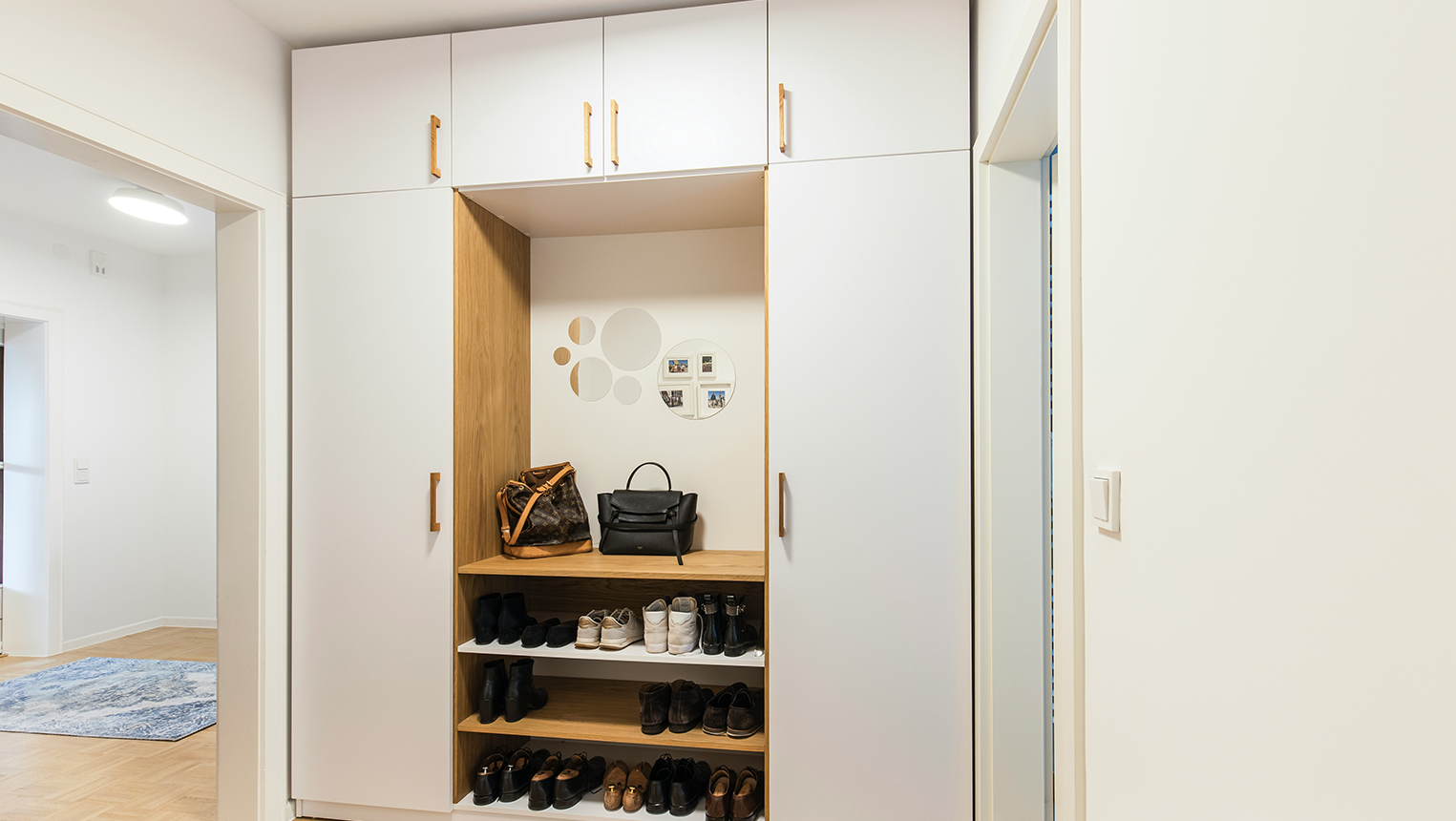
True premium design integrates features like flush-mounted profiles, hidden plinths, and integrated recessed handles. These choices provide clean lines while ensuring smooth daily operation. When sourcing at scale, a smart design balances standard cabinet box framing with fully customizable doors and internal layouts. This strategy keeps manufacturing efficient while providing the custom look that high-end buyers expect.
2. Premium Material Pairings: Sourcing Tinted Glass, Fluted Panels, and Leather Trim
Achieving a high-end look depends entirely on material curation. Modern premium wardrobe designs frequently combine mixed materials to add depth and texture. Anodized aluminum frames paired with smoked or tinted tempered glass doors create an open, boutique-showroom aesthetic. This setup protects clothing from direct UV exposure while showcasing internal wardrobe lighting.
Furthermore, precision-milled fluted panels add structural texture to expansive wardrobe doors. When combined with matched wood veneers, these geometric surfaces break up heavy wardrobe lines, transforming large storage units into elegant accent walls. Finally, high-end wardrobe internals often feature faux leather or genuine eco-leather trim on drawer fronts and jewelry dividers to provide excellent scratch protection for delicate accessories.
3. Commercial Compliance: Sourcing Fire-Retardant and Eco-Friendly (E0/F4 Star) Cabinetry
For large-scale hospitality developments and public housing projects, material compliance is a critical legal and structural requirement. Overseas procurement teams must ensure that their manufacturing partners can provide verified environmental and safety certifications.
High-end markets like North America, Europe, and Japan require exceptionally low formaldehyde emissions. High-quality furniture manufacturers utilize premium moisture-resistant MDF or structural plywood that adheres strictly to E0 or Japanese F4 Star eco-friendly standards. Additionally, commercial projects often require fire-retardant surface treatments and coatings. Specifying contract-grade, fire-rated lacquers and intumescent edge-banding ensures that your built-in wardrobes comply with local multi-family residential building codes.
4. Premium Sliding Door Wardrobes vs. Pocket Doors: Aesthetic and Functional Space Analysis
Floor space is a major factor in urban luxury developments. Choosing between sliding mechanisms and pocket doors can significantly impact furniture layout flexibility and overall room flow.
For master bedrooms with narrow walkways, premium sliding door wardrobes provide an elegant, space-saving solution. High-end sliding doors utilize top-hung, coplanar sliding hardware. Unlike traditional overlapping doors, coplanar mechanisms keep the doors completely flush when closed, creating a seamless, single-plane wall finish. Conversely, pocket doors slide sideways and retract entirely into hidden double-wall cavities along the wardrobe carcass. This option offers wide-open access to internal storage, making it perfect for walk-in closet thresholds or integrated dressing rooms.
5. Heavy-Duty Hardware Selection: Soft-Close Hinges and Synchronized Sliding Tracks
The longevity of high-end furniture depends directly on its moving parts. Even the finest wood veneer will feel cheap to an end-user if the wardrobe doors sag, squeak, or jam. Therefore, premium hardware selection is an essential step in bulk procurement.
High-traffic hospitality and luxury residential projects require contract-grade hardware components. Ensure your manufacturer utilizes top-tier hardware, such as fully adjustable soft-close hinges with 3D alignment capabilities and synchronized undermount drawer runners. For large-scale sliding doors, look for hydraulic air-dampened soft-close tracks. These systems catch heavy timber or glass doors during high-velocity closures, slowly pulling them shut without noise or impact.
6. Configuring Premium Internal Storage and Sourcing from a Direct Manufacturer
A premium wardrobe design should look as impressive on the inside as it does on the outside. Modern buyers expect thoughtful, functional layouts that cater to organized lifestyles. An efficient, luxury internal storage configuration incorporates deep drawers with full-extension runners, specialized shallow drawers with velvet linings for jewelry, and integrated sensor LED lighting.
To achieve this level of detail efficiently, sourcing directly from an established bedroom furniture manufacturer offers distinct financial and technical advantages over working with third-party trading companies. Direct factory communication eliminates middleman markups, allowing you to reallocate budget toward premium material upgrades or advanced hardware features. More importantly, direct sourcing gives you full control over quality assurance protocols and raw material sourcing transparency.