Choosing Wood Veneer for Contemporary Interiors
News Details
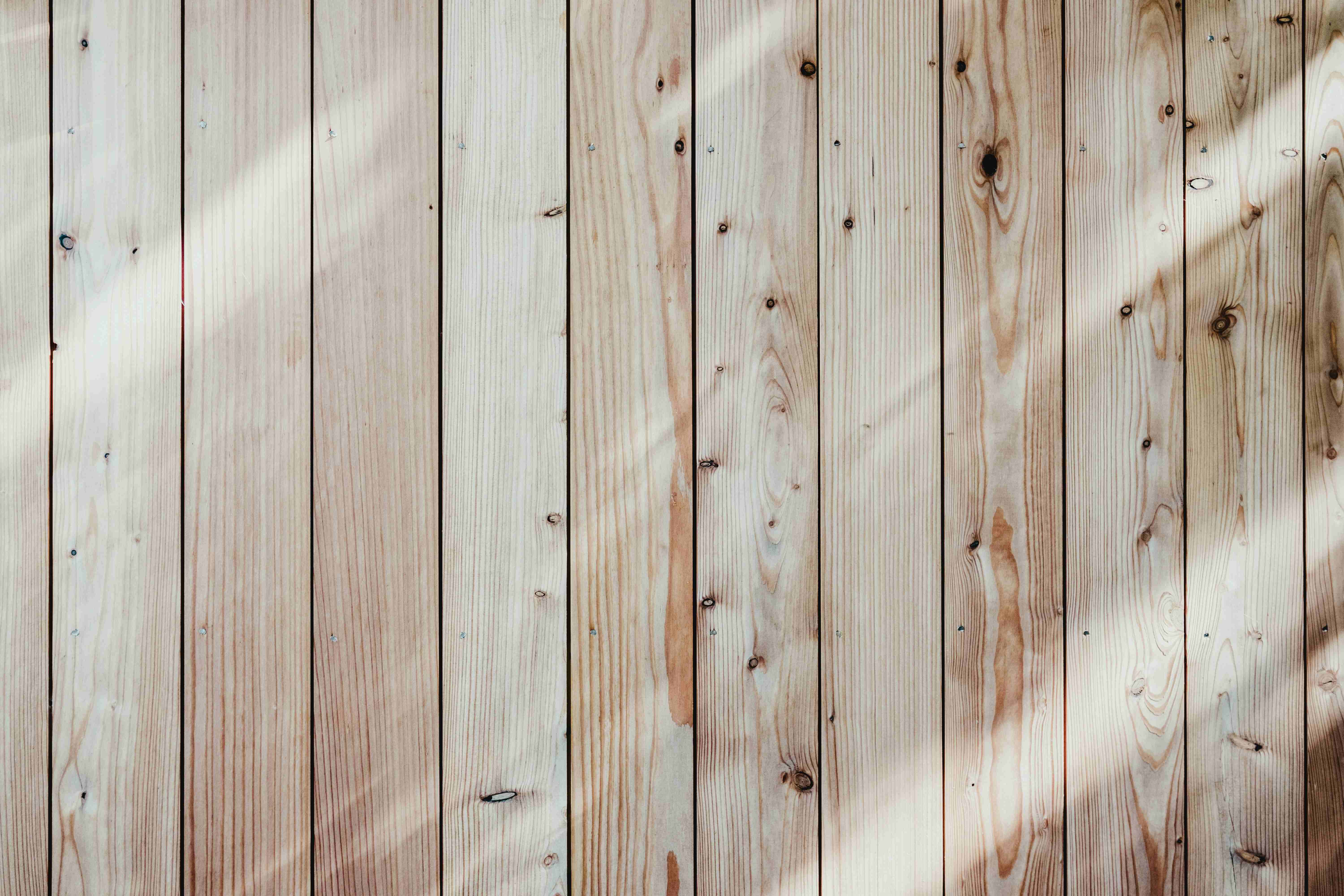
Why Wood Veneer Is Ideal for Modern Interiors
Wood veneer is a popular choice for modern interior design because it brings the natural look of wood into homes, hotels, offices, and commercial spaces. It has a real wood surface with unique grain patterns and warm colors. As a result, it helps create a clean, natural, and welcoming feel.
Compared with solid wood, wood veneer can also offer more flexible design options. It works well for wall panels, cabinets, wardrobes, doors, and furniture. In addition, different wood species, colors, and surface finishes make it easier to match a range of interior styles.
However, choosing the right wood veneer takes more than picking an attractive color. You should also consider the room, the design style, the base material, and the intended use. By comparing these factors, you can find a veneer that suits both your design goals and your project needs.
1. Choose the RightWood VeneerColor for Your Interior
Color is one of the first things to consider when choosing wood veneer. It affects how a room looks and how different materials work together.
Light Wood Veneer for Bright, Open Spaces
Light wood veneer is a good choice for modern interiors that focus on simplicity and natural light. It can make a room feel brighter and more open. Therefore, it works well in apartments, small living rooms, bedrooms, and minimalist spaces.
Light oak and other pale wood tones pair well with white walls, soft gray surfaces, and simple furniture. They also create a calm look without making the room feel cold.
Medium Wood Veneer for a Warm, Balanced Look
Medium wood tones offer a balance between light and dark colors. They add warmth while keeping the space modern and easy to style.
For example, medium brown veneer works well with beige walls, stone surfaces, black metal details, and neutral fabrics. It is suitable for living room cabinets, office furniture, wall panels, and hotel interiors.
Dark Wood Veneer for a Rich, Elegant Style
Dark wood veneer can give a room a more refined and formal look. It is often used in executive offices, luxury hotels, feature walls, and high-end residential interiors.
However, dark colors may make a small room feel heavier. To avoid this, combine dark veneer with good lighting, light-colored walls, or glass and metal details.
Most importantly, check the veneer color under the lighting used in the actual room. Natural daylight and indoor lighting can make the same wood tone look different.
2. Compare Wood Veneer Grain Patterns and Textures
Wood grain is another key factor in modern interior design. Even when two veneers have similar colors, their grain patterns can create very different visual effects.
Straight Grain for a Clean, Modern Look
Straight-grain veneer has a simple, orderly pattern. It is ideal for modern cabinets, wardrobe doors, office furniture, and large wall panels.
Because the grain is less visually busy, it works well in spaces that use clean lines and simple shapes. In addition, repeated grain directions can help create a neat, consistent appearance across several panels.
Natural Grain for a Warm, Organic Style
Natural wood grain adds depth and character to an interior. Its lines, shades, and patterns help each surface feel more natural.
This style suits modern homes that combine wood with stone, glass, metal, or natural fabrics. It also works well in hotel rooms, reception areas, and custom furniture.
Book-Matched and Continuous Grain for Feature Walls
For larger decorative surfaces, the way veneer sheets are arranged can be just as important as the wood species. Book-matched veneer creates a mirrored pattern, while carefully planned grain matching can help create a more continuous look across panels.
These options are useful for feature walls, headboards, reception desks, and large cabinet fronts. However, they require careful planning during production and installation. Therefore, confirm the grain layout before manufacturing begins.
3. Select Wood Veneer Based on Its Application
Different interior areas have different needs. For this reason, you should choose wood veneer based on where and how it will be used.
Wood Veneer for Wall Panels
Wood veneer wall panels can add warmth and texture to plain walls. They are suitable for living rooms, hotel lobbies, office meeting rooms, and reception areas.
For large wall surfaces, consider the grain direction, panel size, joint design, and lighting. A consistent layout can help the finished wall look clean and balanced.
Wood Veneer for Wardrobes and Cabinets
Wardrobes and cabinets need a finish that matches the room while working well with the cabinet structure. Light veneer can create a fresh, simple look, while darker veneer can add contrast and depth.
For built-in wardrobes, consider the door size, handle design, edge details, and grain direction. Also, confirm that the veneer system and substrate are suitable for the intended cabinet use.
Wood Veneer for Furniture and Doors
Wood veneer is also suitable for tables, desks, doors, shelves, and other custom furniture. It allows designers to use natural wood surfaces across different products while keeping the overall style consistent.
For these applications, pay attention to the surface finish, edge treatment, and expected level of daily use. In busy areas, the protective coating and quality of the complete panel system are especially important.
4. Understand the Difference Between Natural and Engineered Wood Veneer
When choosing wood veneer for modern interiors, it is helpful to understand the main types available.
Natural Wood Veneer
Natural wood veneer is made from real wood. Therefore, each sheet can have its own grain pattern, color variation, and natural marks.
It is a good choice when you want an authentic wood appearance. However, these natural differences should be considered when planning large surfaces or matching several pieces of furniture.
Engineered or Reconstituted Wood Veneer
Engineered veneer, also known as reconstituted veneer, is made by processing wood into a more controlled decorative pattern. It can provide a more uniform appearance across multiple panels.
This option may suit projects that need consistent colors and repeated patterns, such as hotel rooms, office furniture, and large residential developments.
Neither type is right for every project. Instead, compare the required appearance, pattern consistency, budget, and available specifications before making a decision.
5. Choose the Right Wood Veneer Finish
The surface finish affects both appearance and everyday care. Therefore, it should match the room's design and how often the surface will be used.
Matte Finish for Modern Minimalist Interiors
Matte finishes create a soft, understated look. They work well in minimalist homes, contemporary offices, and spaces with neutral colors.
They can also help keep attention on the natural wood grain rather than strong surface shine.
Semi-Gloss Finish for a Balanced Appearance
A semi-gloss finish offers some shine without creating the strong reflection of a high-gloss surface. It can suit cabinets, decorative panels, and furniture in modern residential and commercial spaces.
However, the final look depends on the coating and the veneer itself, so samples should be checked before production.
Protective Coatings for Daily Use
For wardrobes, cabinets, doors, and other frequently used surfaces, consider the coating's resistance to scratches, stains, and routine cleaning. The required level of protection depends on the product and its environment.
Also, ask about cleaning instructions and maintenance needs. A suitable finish can help preserve the appearance of the surface over time.
6. Consider the Substrate and Quality of Wood Veneer Panels
The visible wood surface is only one part of a finished veneer panel. The substrate underneath also affects its performance, stability, and suitability for different applications.
Common substrate options include MDF, plywood, and particleboard. Each has different properties, so the best choice depends on the product design, installation method, and service conditions.
Before ordering, consider the following factors:
- Panel stability: Check whether the panel is suitable for the intended size and use.
- Surface quality: Look for an even surface and a neat veneer finish.
- Bonding quality: Ask about veneer adhesion and the quality control process.
- Edge treatment: Confirm how exposed edges will be finished.
- Environmental requirements: Review the relevant material emissions and compliance documents when needed.
- Installation conditions: Make sure the panel system is suitable for the room's temperature and humidity conditions.
In addition, wood veneer and its substrate should be selected as a complete system. For example, a veneer panel intended for a dry living room may not be suitable for an area with frequent moisture exposure unless the full product system is designed for those conditions.
7. Match Wood Veneer with Other Interior Materials
Modern interiors often combine several materials. Therefore, wood veneer should work with the room's other finishes rather than stand alone.
Wood Veneer and Metal
Wood veneer paired with metal creates a contrast between natural texture and a clean, modern surface. Black, brushed stainless steel, and other metal finishes can work well with both light and dark wood tones.
This combination is suitable for wardrobes, decorative wall panels, cabinet details, and custom furniture.
Wood Veneer and Stone
Stone and wood veneer offer a balance between solid texture and natural warmth. For example, a wood veneer cabinet can complement a stone countertop, while a veneer wall panel can soften the appearance of a stone feature wall.
This pairing is often used in kitchens, living rooms, hotel interiors, and reception areas.
Wood Veneer and Glass
Glass can help a space feel open, while wood veneer adds warmth and visual depth. Together, they work well in modern offices, display cabinets, partitions, and contemporary homes.
To achieve a balanced result, keep the color palette simple and use similar design details across the space.
8. Work with a Custom Wood Veneer Supplier
For projects that require specific sizes, colors, grain patterns, or matching finishes, working with a supplier that supports custom interior products can make the process easier.
Yebeiliving focuses on wood veneer and customized interior products. Its product range also includes wardrobe solutions and custom metal products, which can help support coordinated material choices across different interior elements.
When discussing your project with Yebeiliving, prepare the basic design details first. These may include the application, preferred wood tone, panel dimensions, grain direction, substrate requirements, and desired surface finish.
You should also ask for material samples and confirm the available customization options before placing a bulk order. This helps you compare colors and textures under real lighting and reduce differences between the sample and the finished space.
For projects that combine wood veneer, wardrobes, and metal decorative elements, planning these materials together can also help create a more consistent interior style.
9. Common Mistakes to Avoid When Choosing Wood Veneer
Even a good veneer can produce a poor result if the material is not selected or planned correctly. To avoid common problems, keep these points in mind.
- Choosing by color alone: Grain, finish, substrate, and application are also important.
- Ignoring lighting: Always check samples under the lighting conditions of the finished room.
- Overlooking natural variation: Natural wood veneer can vary from sheet to sheet, so plan the layout carefully.
- Using the wrong panel system: Make sure the veneer and substrate suit the intended environment.
- Skipping sample approval: Confirm the color, texture, and finish before mass production.
- Leaving details until installation: Decide on panel joints, edges, grain direction, and hardware early in the design process.
By checking these details in advance, you can make better choices and reduce avoidable changes during installation.
Conclusion: Choose Wood Veneer That Fits Your Modern Interior
Choosing the right wood veneer means balancing appearance, application, material quality, and budget. First, decide on the color and grain that suit your design. Next, choose a suitable veneer type, finish, and substrate. Finally, confirm the panel details and review samples before production.
Whether you are designing a home, hotel, office, or custom furniture project, the right wood veneer can help create a natural and well-coordinated interior. With its focus on wood veneer and customized interior products, Yebeiliving can be a starting point for exploring material options for your next project.
Contact Yebeilivingto discuss your wood veneer and custom interior product requirements.


