Benefits of Working Directly with a Wood Veneer Manufacturer
News Details
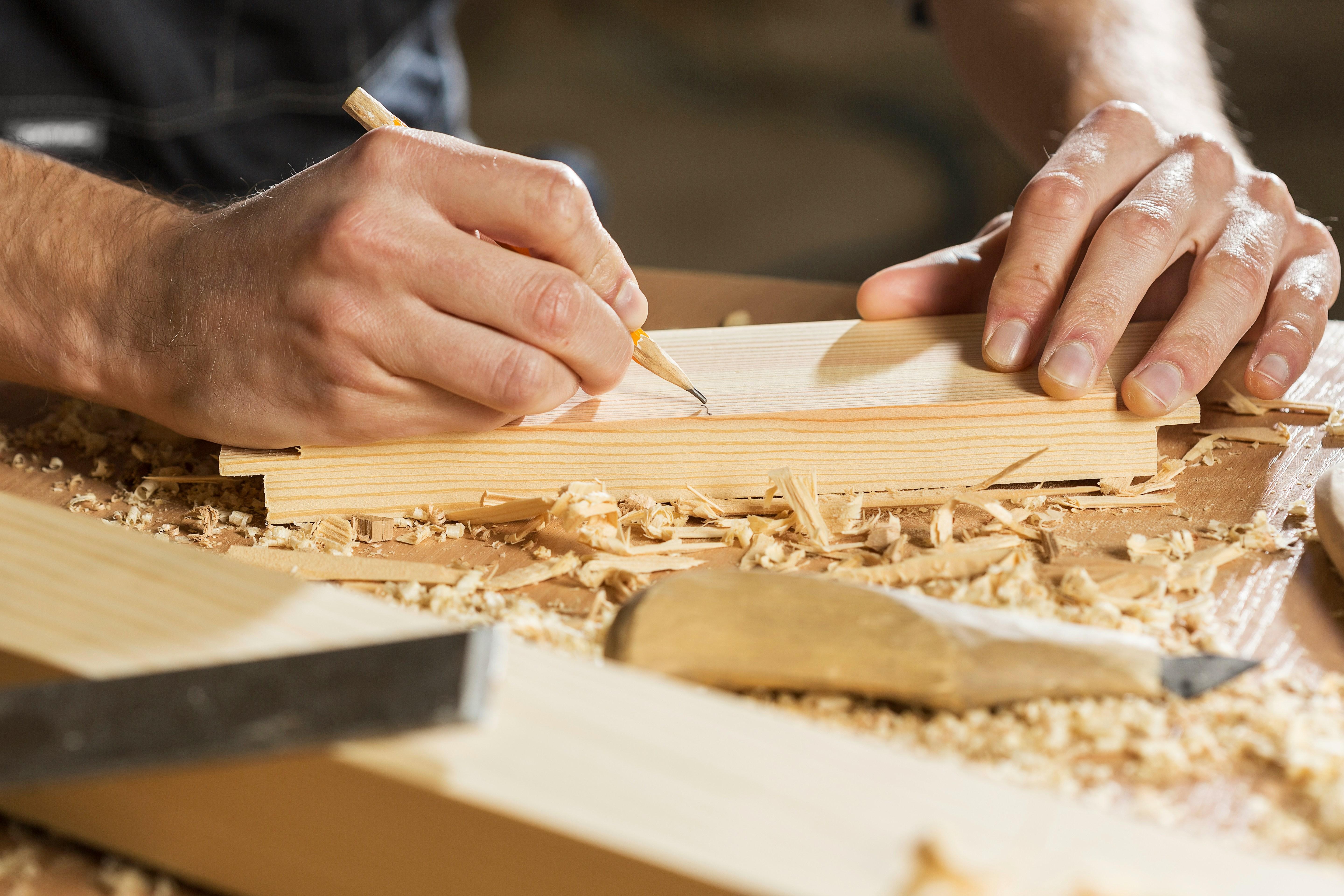
Wood veneer is a popular material used in furniture, wall panels, cabinets, and other interior products. It brings the natural look of wood to a wide range of spaces. However, choosing the right wood veneer supplier is just as important as choosing the right material.
Working directly with a wood veneer manufacturer can make the buying process easier. It can also help you manage costs, control product quality, and create custom designs. Instead of relying on several middlemen, you can work with the team that actually makes your products.
For furniture brands, interior designers, contractors, and building material distributors, this approach offers several practical benefits. Here is why working directly with a wood veneer manufacturer is worth considering.
What Is a DirectWood Veneer Manufacturer?
A direct wood veneer manufacturer makes or processes veneer products and supplies them to customers. Depending on its production setup, the manufacturer may handle material selection, veneer processing, surface finishing, quality checks, and custom orders.
In comparison, a trading company may purchase products from other factories and resell them. Although trading companies can offer useful services, working directly with a manufacturer often gives buyers a closer view of the production process.
For example, Yebeiliving focuses on wood products and interior solutions, including wood veneer, custom wardrobes, and other products for residential and commercial spaces. By discussing your project needs with a supplier that understands these product categories, you can better coordinate materials, finishes, and design requirements.
How a Wood Veneer Manufacturer Directly Helps Control Costs
Cost is one of the main reasons buyers look for a direct wood veneer manufacturer. When several parties take part in the supply chain, each may add costs for sourcing, communication, and order management.
Buying directly can reduce some of these extra costs. More importantly, it allows you to discuss the price with the manufacturer based on your actual needs.
For instance, you can ask about different veneer species, thicknesses, surface finishes, order quantities, and customization options. Then, you can compare the available choices and select a solution that fits your budget.
However, a direct factory price does not always mean the lowest total cost. Shipping, packaging, duties, minimum order quantities, and quality requirements also matter. Therefore, compare the full delivered cost rather than looking at the unit price alone.
How Direct Wood Veneer Supply Improves Quality Control
Wood veneer is a natural material, so its color, grain, and texture can vary. These differences can affect the final look of furniture, cabinets, and wall panels.
When you work directly with a wood veneer manufacturer, you can discuss your quality standards before production begins. For example, you can explain your preferred grain pattern, color range, surface condition, and finish.
In addition, you can ask the manufacturer how it checks materials and finished products. Clear requirements help both sides understand what the order should look like.
For larger projects, it is also useful to confirm how the manufacturer handles samples, batch consistency, packaging, and product inspection. As a result, you can reduce misunderstandings and make it easier to manage quality across multiple orders.
Keep in mind that natural wood variation cannot always be removed completely. Therefore, agree on acceptable differences before placing a large order.
Custom Wood Veneer Solutions for Different Projects
Every project has its own design and technical needs. A furniture maker may want a certain grain pattern, while a hotel project may need a consistent finish across many wall panels and cabinets.
A direct wood veneer manufacturer can discuss these needs with you before production. Depending on its capabilities, it may offer choices in veneer species, color, grain matching, panel size, and surface treatment.
This is especially useful when standard products do not meet your design goals.
Yebeiliving's product range includes wood veneer and customized whole-house wood products. Its broader interior product offering also includes wardrobes and metal products for interior applications. This can help buyers explore coordinated material and furniture solutions for different spaces.
Before ordering, confirm which veneer types, dimensions, finishes, and processing services are available. You should also ask whether the manufacturer can provide samples for approval before moving to bulk production.
Faster Communication with a Wood Veneer Factory
Clear communication is important when ordering customized materials. Even a small misunderstanding about color, size, finish, or packaging can lead to delays and extra costs.
Working directly with a wood veneer manufacturer can shorten the communication chain. You can discuss technical details with the team responsible for production instead of passing every question through several parties.
For example, if you need to change a finish or adjust a panel size, you can ask the manufacturer whether the change is possible and how it may affect the cost and delivery time.
Furthermore, direct communication helps you confirm important details early. These include drawings, samples, product specifications, order quantities, production schedules, and shipping plans.
As a result, both sides can make decisions with a clearer understanding of the project.
More Flexible Orders and Production Planning
Different buyers have different order needs. A small furniture workshop may require limited quantities, while a large contractor may need materials for several buildings.
A direct wood veneer manufacturer can explain its production capacity, minimum order quantity, and lead time. This allows you to plan your purchases around your project schedule.
In addition, you can discuss repeat orders and long-term supply needs. If you use the same veneer finish across several projects, keeping clear product records can make future orders easier to manage.
However, not every factory offers the same level of flexibility. Some require large minimum orders, while others have limits on custom finishes or special materials. Therefore, check these conditions before choosing a supplier.
How to Choose a Reliable Wood Veneer Manufacturer
Working directly with a manufacturer offers many benefits, but the supplier still needs to meet your requirements. Before placing an order, review these key points.
Check Wood Veneer Product Quality
Ask for samples and review the color, grain, thickness, surface finish, and overall condition. If the material will be used for a large project, confirm how the factory manages natural variation between batches.
Review Manufacturing and Customization Capabilities
Check whether the manufacturer can meet your required sizes, finishes, and processing needs. Also, ask which parts of the production process are handled in-house and which services may be outsourced.
Confirm Product Specifications
Provide clear details about the veneer type, backing, dimensions, finish, intended use, and packing method. If the product will be bonded to a panel or used in a specific installation system, confirm that the full material setup is suitable.
Ask About Lead Time and Order Capacity
Request a production schedule based on your order quantity and specifications. Also, check whether the supplier can support repeat orders if your business needs a stable supply.
Check Communication and After-Sales Support
A reliable manufacturer should explain product options, pricing, production steps, and delivery terms clearly. It should also have a clear process for handling quality issues or order changes.
Wood Veneer Applications in Modern Interior Design
Wood veneer works well in many residential and commercial settings. Because it offers a natural wood appearance, it can support both modern and classic interior styles.
Common applications include:
- Furniture: Desks, tables, cabinets, shelving, and other furniture surfaces.
- Wall panels: Decorative wall finishes for homes, hotels, offices, and commercial spaces.
- Wardrobes: Coordinated finishes for bedroom storage and built-in furniture.
- Interior doors and cabinetry: Wood-look surfaces for a consistent interior design.
- Whole-house customization: Matching wood finishes across furniture, storage, and selected interior elements.
For these projects, buyers should consider more than appearance alone. Moisture exposure, substrate quality, bonding methods, cleaning needs, and installation conditions can all affect product performance.
Therefore, discuss the intended application with your supplier before choosing a veneer product.
Why ConsiderYebeilivingfor Wood Veneer and Interior Products?
When sourcing wood veneer, buyers often need more than a single decorative material. They may also need wardrobes, customized wood products, or other interior elements that work together in the same space.
Yebeiliving focuses on customized wood products and interior solutions. Its product categories include wood veneer, whole-house wood products, custom wardrobes, and metal products for interior applications.
This product range can be useful for buyers planning coordinated interior projects. For example, a residential project may need matching wood finishes for wall panels and storage units, while a commercial project may require customized furniture and decorative elements.
When contacting Yebeiliving, share your project drawings, target finish, required dimensions, estimated order quantity, and delivery schedule. This information helps the team understand your needs and discuss suitable options.
You should also confirm the specifications, customization scope, production lead time, and shipping terms for each product before placing an order.
Is Buying Directly from a Wood Veneer Manufacturer Right for You?
Buying directly is worth considering if you need customized veneer products, regular material supply, clearer production communication, or better control over project costs.
It can be especially useful for furniture manufacturers, interior contractors, designers, distributors, and businesses managing large or repeat orders.
On the other hand, a trading company may be a better fit if you need products from several unrelated suppliers or prefer one company to manage a wider range of sourcing tasks.
The best choice depends on your order size, product needs, timeline, and level of technical support required.
Before making a decision, compare product quality, customization options, total cost, production capacity, and service. This will help you find a supplier that fits your project rather than choosing based on price alone.
Conclusion: Build a Better Supply Partnership with aWood Veneer Manufacturer
Working directly with a wood veneer manufacturer can make sourcing more efficient. It gives you a direct way to discuss materials, control specifications, request custom solutions, and plan production.
At the same time, choosing the right partner requires careful checks. Review samples, confirm product details, and understand the manufacturer's production and delivery terms before placing an order.
If you are sourcing wood veneer or customized interior products, Yebeiliving is one supplier to consider. By clearly explaining your project requirements and confirming the available options, you can make a more informed choice and build a supply partnership that supports your long-term business needs.


